
Many people live with discomfort for so long that it starts to feel normal. Maybe it’s sore muscles after a busy day, or stiffness that appears every morning, or even tension that follows you from work into the evening. While occasional aches are a part of life, accepting constant discomfort as your baseline isn’t the best approach.
Instead of relegating yourself to a life of pain, you need to look at the fact that there are more Wellness tools available now than ever before. These are the tools that help people to explore ways to support comfort, relaxation and recovery, from stretching routines to massage therapy and products such as this topicals collection. There are many individuals looking for practical ways to support their overall well-being. If you’re in that group, keep on reading because pain doesn’t have to be your normal.
It’s important to listen to what your body is telling you. Pain and discomfort can sometimes be very easy to ignore, especially when life is too busy to get it dealt with. But your body will provide you valuable signals about what it needs. Muscle tension may suggest you’re spending too much time sitting. Stiff joints could indicate a need for more movement. General overall soreness may simply be a sign that your body needs rest and recovery. Taking the time to notice these signals helps you to make small changes before discomfort begins affecting your daily activities. Movement can make a big difference.
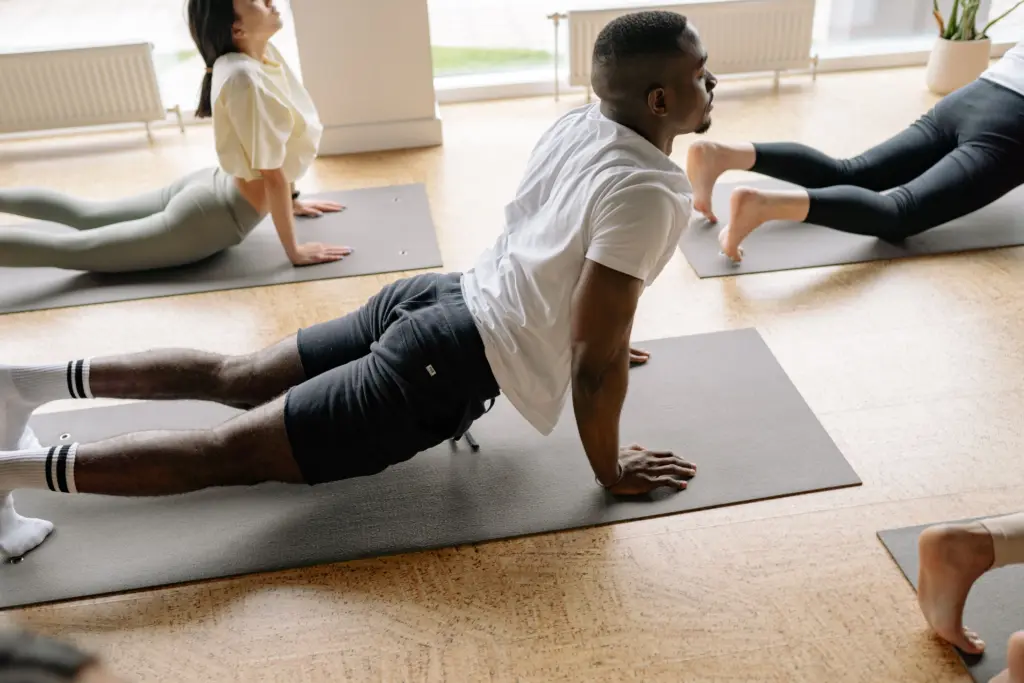
When something is hurting, the natural instinct is often to avoid moving altogether. In fact, most of us try to curl up like a ball and stay as still as possible and hope it goes away. Rest certainly does have its place, but gentle movement can be beneficial. Activities like walking, swimming, stretching and yoga help many people to maintain their flexibility and reduce their sore joints. This then supports overall mobility. The goal isn’t to push through discomfort or force intense exercise, but it’s about finding a movement that feels appropriate for your body. Even a short daily walk helps to break up long periods of inactivity and encourage healthy movement patterns. And you need to create recovery habits from those workouts that help.
It’s nice to focus on productivity, but if you’re forgetting about recovery, what’s the point? Athletes understand the importance of recovery because they know the body performs better when given time to recharge. The same principle applies to everyday life. Staying hydrated and prioritising your sleep is one thing, but taking movement breaks, practising relaxation techniques and managing your stress also helps. These are the habits that seem small individually, but together they can contribute to how your body feels. You can then explore more supportive Wellness products as a result.
The Wellness market is huge, and it continues to grow, providing people with more options for self-care than ever before. Topical products, massage tools, heat therapy, cold therapy, and other supportive solutions are increasingly popular among individuals looking to enhance their comfort routines. While these products are not intended to replace professional medical advice, many people find them useful as part of a broader Wellness approach. The key? Finding products and practices that fit naturally into your lifestyle and support your personal goals.
